Data from July 2020 suggests there wasn’t one specific reason why people weren’t answering their phones. Here are some possible explanations:
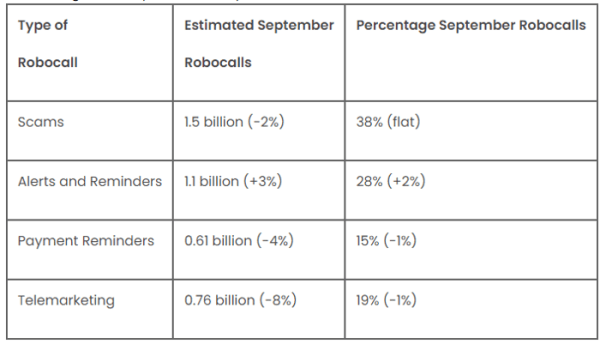
- Robocalls: Unwanted automated calls were on the rise, leading people to be wary of answering unknown numbers.
- Call blocking technology: Call blocking apps and features on phones were becoming more popular, potentially leading to missed calls.
- Scams: There could have been a rise in scam calls during this time, making people more hesitant to answer unfamiliar numbers.
- General screening: People might have been more selective about answering calls due to work schedules or personal routines.
Pew Research Center determined in July 2020 that 80% of Americans do not answer calls from unfamiliar phone numbers. However, most of the adults surveyed said they do check to see if there was a voicemail left afterward, according to the survey.
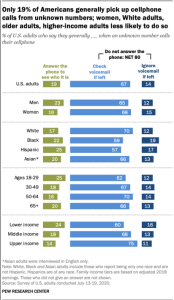
While Pew Research conducted a survey in July 2020, their findings didn’t directly address robocalls. The specific survey focused on how Americans responded to unknown phone numbers, not the reasons behind robocalls themselves. [Research Methodology]
A summary of the research findings states, “People’s reluctance to pick up phone calls they don’t recognize can affect a variety of activities, including participation in contact tracing programs to identify and isolate those who have contracted COVID-19. Recent reports suggest that some public health authorities are struggling to make contact with those who have been exposed to COVID-19.”
One important issue mentioned about the study is that there is a concern among consumers about people pretending to be someone else to try to steal information. Brand impersonation has been a major problem, particularly due to and/or associated with the COVID-19 pandemic as bad actors seek to trick consumers.
The rise in online shopping during the pandemic provides an impetus for the increase in impersonation attempts targeting e-commerce platforms. In addition to vishing (voice phishing), phishing emails were a common method for impersonation attacks, often mimicking legitimate brands to trick users into revealing personal information.
The impact of impersonation has many consequences including the following:
- Increased Attacks: Reports indicate a significant rise in brand impersonation attacks compared to previous years. The FBI estimated brand impersonation as a key factor in over half of all cybercrime losses in 2020, with costs reaching nearly $2 billion in the US alone [Source: Outseer – Brand Impersonation Losses].
- Target Industries: E-commerce and retail businesses were most affected, with attackers aiming to steal credit card information, sell counterfeit goods, or commit non-delivery scams [Source: Allure Security – Impersonation Targets].
- Exploiting the Pandemic: Scammers took advantage of the pandemic by impersonating trusted brands like government agencies and healthcare providers. These tactics played on people’s anxieties and increased reliance on online services.
- Impact Beyond Finances: Brand impersonation not only resulted in financial losses but also damaged the reputation of the impersonated brands. Loss of customer trust can significantly impact a company’s revenue.